Best Home Builder Services: Building Your Dream Home With Care
Top home builder services serve an crucial role in converting visions into concrete realities. They offer expert guidance throughout the construction journey, from initial design discussions to the final finishing touches. With a focus on premium materials and effective communication, these professionals guarantee that each project meets specific expectations and budget constraints. However, the choice of builder can greatly impact the outcome. Comprehending how to navigate this process is vital for homeowners seeking a seamless experience.
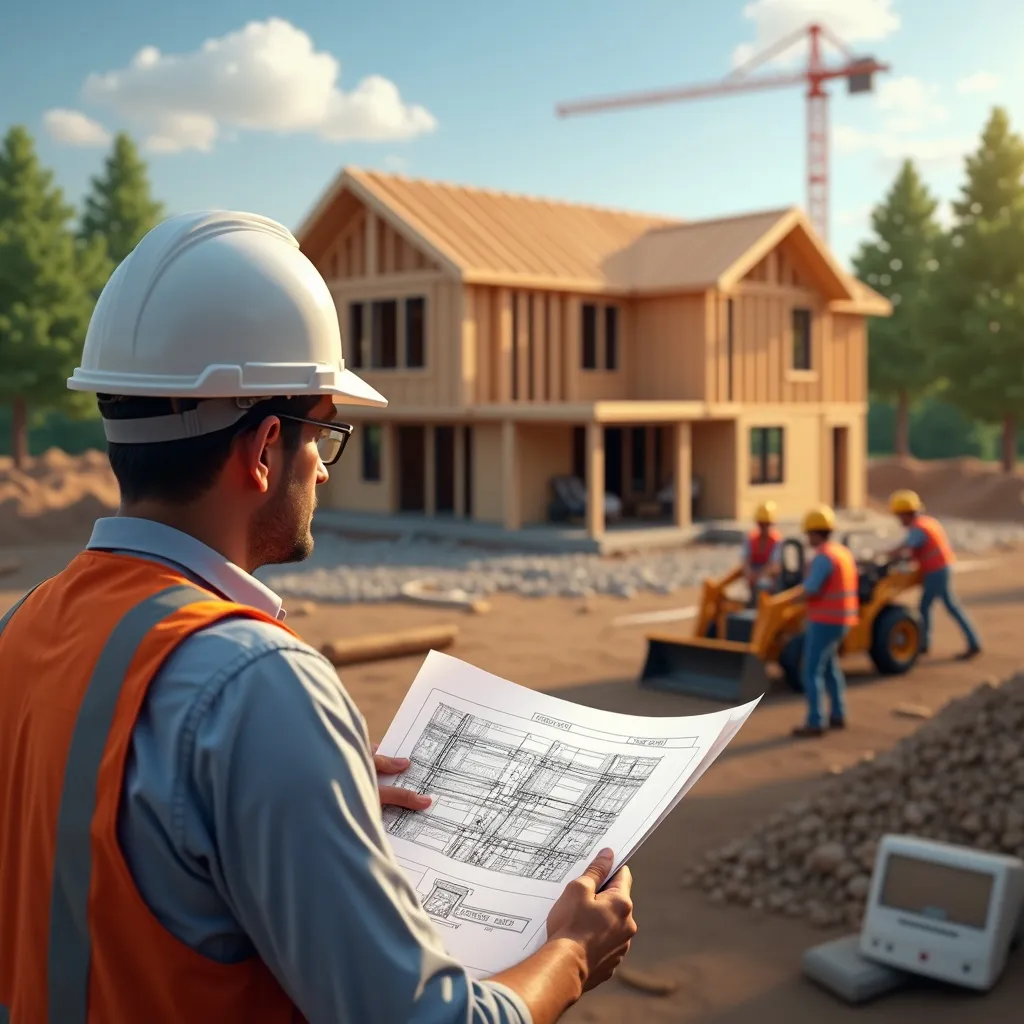
How Home Builders Play a Role in Your Development Timeline
Home builders fulfill a pivotal role in converting visions into reality during the construction journey. They serve as the link between clients' dreams and physical buildings, ensuring that each element matches the homeowner's expectations. These experts have extensive knowledge of construction techniques, local regulations, and material selection, enabling them to navigate the complexities of construction endeavors efficiently.
Tackling the Design and Planning Framework
Directing the design and planning process is fundamental for any profitable home building project. An initial consultation sets the stage for understanding client needs and expectations, while competent blueprint development guarantees that those ideas are put into actionable plans. Together, these elements form the cornerstone of a well-organized construction journey.
The significance of your opening appointment
Successful venture outcomes often depend on the transparency established in the initial consultation between the builder and the client. This meeting acts as a key moment where expectations, visions, and specifications are clearly expressed. Both parties participate in transparent communication, enabling the builder to grasp the client's desires and lifestyle needs. Moreover, this consultation offers a chance to discuss budgetary constraints and timelines, matching information making sure all elements are aligned from the beginning. By nurturing a team-oriented setting, the initial consultation assists in identifying potential challenges and answers early on. In the end, a detailed and focused discussion establishes the foundation for a successful partnership, steering the project through the following phases of design and execution with mutual agreement and commitment.
Blueprint Design Core Elements
An accomplished blueprint plan is indispensable for translating a client's vision into a material plan. This activity consists of several key steps, beginning with thorough consultations to assemble extensive requirements and preferences. Once the foundational ideas are established, adept architects and designers fashion initial sketches, incorporating both functionality and aesthetics. Revisions are made based on client input, affirming alignment with their desires. Also, engineering aspects such as structural integrity, zoning regulations, and environmental considerations must be diligently reviewed. By conclusion, the final blueprint serves a thorough guide for construction, articulating dimensions, materials, and layouts. By highlighting fidelity and clarity during this phase, home builders can guarantee a more fluid construction process and a finished product that truly reflects the client's aspirations.
Vital Services Residential Contractors Present
Home builders offer essential services that enhance the construction process. Their expertise in design and planning ensures projects meet particular requirements, while the use of premium building materials ensures longevity. Additionally, customization and personalization options allow homeowners to design spaces that express their unique preferences.
Design and Planning Expertise
Design and organizational expertise forms the backbone of any construction task, ensuring that each home is tailored to meet the exclusive needs of its future occupants. Home builders deploy specialized teams of architects and designers who collaborate closely with clients to translate their concepts into practical blueprints. This process includes evaluating site conditions, understanding local zoning laws, and integrating sustainable practices. Furthermore, builders utilize advanced design software to build detailed models, allowing clients to visualize their homes before construction gets underway. Effective planning also involves project timelines and budgeting, which are necessary for a smooth construction process. By prioritizing design and planning, home builders facilitate a seamless transition from concept to reality, ultimately delivering personalized living spaces that represent individual lifestyles.
High-Grade Construction Materials
Constructing a dwelling that withstands the passage of time requires a commitment to quality construction materials. Home contractors prioritize sourcing sturdy and dependable materials to ensure structural stability and durability. This commitment encompasses various components, including premium wood, weatherproof roof systems, and efficient window installations. Builders often collaborate with reliable vendors to choose materials that meet industry standards and improve the overall aesthetic appeal of the home. Furthermore, the choice of materials affects upkeep expenses and power efficiency in the long run. By prioritizing quality construction materials, builders not only establish a solid foundation but also contribute to the homeowner's comfort and satisfaction, guaranteeing that the investment remains valuable for years to come.
Adaptation and Personalization Selections
Converting a residence into a personalized home often copyrights on the personalization choices offered by builders. These options allow homeowners to adjust various aspects of their living space, from layout and design to finishes and fixtures. Builders typically provide a range of materials and styles, allowing clients to choose elements that reflect their unique tastes and lifestyles. This process may include choosing cabinetry, flooring, and paint colors, as well as making structural modifications to optimize functionality. Additionally, many builders offer advanced technology integration, ensuring homes are equipped with modern amenities. By focusing on customization and personalization, builders not only enhance aesthetic appeal but also create environments that foster comfort and individuality, ultimately leading to a more satisfying homeownership experience.
How High-Quality Building Materials Influence Home Building Quality
Quality supplies serve as the base of any successful home building project. They greatly impact durability, thermal performance, and overall visual attractiveness. High-quality materials secure that a home can withstand natural pressures, reducing the chance of repairs and servicing over time. For instance, using premium insulation can enhance thermal efficiency, bringing about lower utility bills and improved comfort.
Moreover, the choice of building materials impacts the resale value of a property. Properties constructed with superior materials tend to fetch higher prices in the market, reflecting their durability and appeal. Additionally, quality materials play a role in the safety and health of occupants by minimizing risks stemming from inferior products, such as mold or structural failures.
Finally, allocating resources toward superior materials is not simply a monetary expense; it proves a commitment to constructing a permanent, attractive, and practical home that meets the needs of its residents for years to come.
Choosing the Best Home Developer for Your Situation?
How might you determine the best home contractor to suit your particular needs? The procedure begins with thorough research. Future homeowners should pursue recommendations from friends and family, as well as internet reviews, to form a candidate list of builders. Assessing the builder's portfolio is important; inspecting finished projects can reveal their approach and craftsmanship.
Next, homeowners should assess the contractor's qualifications, including licenses, protection, and industry affiliations, guaranteeing they adhere to area requirements. Initial consultations offer an occasion to measure communication skills and responsiveness, critical attributes for a effective working relationship. Additionally, addressing project schedules and spending limits is crucial to confirm alignment with expectations.
To summarize, connecting with past clients can provide insights into the builder's reliability and quality of work. By adhering to these guidelines, individuals can identify a home builder capable of realize their dream to fruition while respecting their specific requirements.
Tips for an Effortless Home Building Journey
While opening a home-building journey can be exciting, prudent foresight is necessary to guarantee a smooth progression. First, setting up a well-articulated cost framework is paramount; it helps in forming informed decisions and hinders overspending. Next, creating a extensive schedule framework warrants that all involved entities are harmonized and cognizant of pivotal milestones. Exchange assumes a significant component; regular status reports between construction professionals, contractors, and homeowners can mitigate lack of clarity.
Furthermore, choosing top-notch materials at the start lowers the risk of costly changes later. It is also advisable to remain flexible; unforeseen challenges may arise, and adaptability can ease stress. Engaging a trusted home inspector during critical stages of construction can identify problems early, avoiding future complications. Lastly, celebrating minor successes throughout the building process can maintain enthusiasm and motivation, rendering the experience more enjoyable. By following these guidelines, homeowners can navigate their building project with greater confidence and ease.
Frequently Requested Answers
How Much Time Does the Home Building Process Usually Need?
The residential construction process generally takes six to twelve months, based on various factors such as architectural intricacy, approval processes, climate factors, and contractor productivity. Setbacks can happen, affecting the overall timeline significantly.
What Funding Options Are Available for New Home Construction?
Various financing options for new home construction consist of conventional loans, FHA loans, VA loans, and construction-to-permanent loans. Borrowers may also explore personal loans or lines of credit, depending on their financial situation and project needs.
Can I customize the house layout After Construction Starts?
Yes, property owners may modify house plans after construction commences, but this could result in additional costs and time delays. Communication with the builder remains important to understand the feasibility and implications of any modifications.
What Warranties Do Home Builders Generally Offer?
Home builders typically provide guarantees protecting against structural defects, workmanship, and building materials. These warranties often extend from one to ten years, ensuring coverage from issues arising shortly after construction and offering peace of mind for property owners.
What Methods Do Contractors Use to Address Unanticipated Construction Hold-ups?
Builders usually discuss openly with clients regarding unexpected delays, offering updates and new schedules. They analyze the causes, execute remedies, and may offer compensation or adjustments to keep client satisfaction throughout the construction process.